All In One Rabbit Care Guide!
Considering getting a bunny? We have compiled our own tips and tricks along with some other helpful resources. We always encourage families to research & ask questions before making the long term commitment of owning a rabbit.
Rabbit Pellets
Some ingredients to be aware of and try to avoid if possible are molasses and soy.
These two ingredients are not necessarily harmful but are harder for the rabbit to digest.
Some brands we recommend are:
-
Oxbow
-
Sherwood
-
Martin Little Friends
-
Purina Performance
Hay
What kind of hay should my rabbit eat? We skip alfalfa all together. We find it too rich and causes our babies to get poopy bums quickly. We start the babies off on 1st cut timothy hay.
1st cut timothy hay is great for dental health as well as its a harder blend of hay!
We get our hay True Colour Products
Some Other Brands We Recommend:
-
Oxbow
-
Kaytee
-
Freshay Canada
Diet Supplements
Here are some great aids to have on hand to further benefit your rabbits digestive system and for preventive measures.
Some Products We Recommend:
-
Sherwood - Prevention tablet
-
Sherwood - Recovery Food
-
Sherwood - SARx Rescue - Appetite Restore
-
Sherwood - Digestive Support
-
Sherwood - Urinary Support
-
Sherwood - Joint Support
-
Oxbow - Critical Care
The Difference Between Hay Cuts
1st Cut
First cut hay is the first cut of the season from the field before it blooms. This hay has thinner stems but is more stemy than leafy. It's higher in fiber and lower in protein and fat content. The colour will be lighter with more yellow and brown parts. This is good hay for rabbits. If you have a rabbit that is overweight or is prone to getting GI stasis.
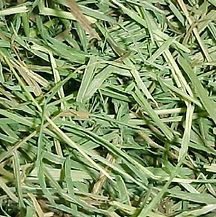
2nd Cut
Second cut hay is a good hay for adult rabbits. It has more leaves on the stems which is more appetizing to your rabbit. This hay is greener then 1st cut and is not as stemy. The protein and fat content is a little higher than 1st cut and the fiber level is a bit lower.
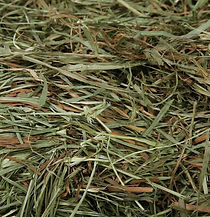
3rd Cut
Third cut is a very soft and heavy leafy hay. It should be a darker green than 1st and 2nd cut. It's higher in protein and fat content and lowest in fiber content. This hay is a treat or can be mixed with 1st or 2nd cut hay if your rabbit is a picky hay eater. If you have a rabbit that is underweight, this is an ideal hay to give them as it's higher in protein and fat which should help weight gain.
Safe Fresh Greens
-
Basil
-
Parsley
-
Cilantro
-
Dill
-
Leaf lettuces
-
fresh spinach
-
Kale
-
Dandelions
-
Carrot (very small)
-
Pumpkin
-
Squash
-
Zucchini
-
Bok choy
-
Brussels sprouts
-
Cucumber
-
Romaine Lettuce
-
Watercress
-
Wheatgrass
-
Zucchini
-
Bell peppers (little)
Safe Fresh Fruit
-
Apple - no seeds
-
Banana
-
Pear
-
Strawberry
-
Strawberry Leaves
-
Blueberry
-
Blackberry
-
Raspberry
-
Plum
-
Peach - pit removed
-
Cherry - pit removed
-
Orange
-
Papaya
-
Pineapple
-
Watermelon
Avoid
-
All human treats
-
Beans
-
Beet greens
-
Cabbage
-
Cauliflower
-
Cereal
-
Chocolate
-
Corn or corn-cob treats
-
Crackers
-
Iceberg lettuce
-
Legumes
-
Mustard greens
-
Nuts
-
Pasta
-
Peas
-
Potatoes
-
Rhubarb
-
Seeds
-
Sugar
-
Turnip greens
-
Yogurt
-
Broccoli
Grooming
Brushing:
Rabbits do shed, however with the proper diet and weekly brushing you can maintain the amount of shedding!
We recommend this tool:
Small Pet Select Hair Buster Comb
Nail Trimming:
It's important to check your rabbits nails to ensure they do not get overgrown. Overgrown nails can cause your rabbits feet to be in pain and be uncomfortable for your rabbit. We recommend checking at-least once a month to see the growth and trim as needed!
Vet Care
Spaying & Neutering:
For territorial and for unwanted hormonal behaviour, we recommend having your bun spayed/neutered when they reach 6 months old. Please do your research and find a vet you trust!
Illness & Infection:
Pay attention to your rabbits! if your bun is acting off or different taking them to the vet is its best chance of survival and catching an illness or GI stasis in time!
General Care & Nail Trims:
Rabbits don't need to see a vet regularly, but if you ever suspect something is off with your bun, the vet is your friend. Catching things early on in rabbits gives the rabbits the best chances of healing! If your also uncomfortable trimming your rabbits nails, booking an appointment at your trusted vet is recommended!
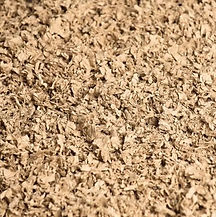
Paper Based Bedding
Paper based bedding for rabbits is very absorbent and works well for indoor rabbits. They are typically dust free. The paper based bedding is also recycled so it is environmentally friendly and not to mention safe for your rabbit to chew on and eat.
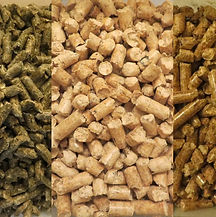
Pine & Paper Pellets
Pellet litter (paper or pine) is very absorbent. Urine is quickly absorbed by the pellets which retain a lot of moisture. They create hardly any dust and are hypoallergenic so they are completely safe for both you and your rabbit! This litter can also be composted!
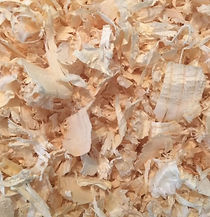
Wood Shavings
Wood shavings are a bedding we would recommend to avoid if you can, if you have to use it place a lot of hay/straw on top. The dust from wood shavings can affect your rabbits respiratory system. Cedar is toxic to rabbits, while pine is to scent so we would vote for aspen if only option available.
Bedding Choices
Rabbit Housing Inspiration
Looking for ideas on how to design your bunnies home? Take a look at our approved housing options from previous adopters!


